
GTA 5 actor’s swatter gets 4 years as DOJ widens the case
Ned Luke says the defendant will serve 4 years, and the case may expand to others named in the investigation, underscoring how online harassment can become federal prison time.
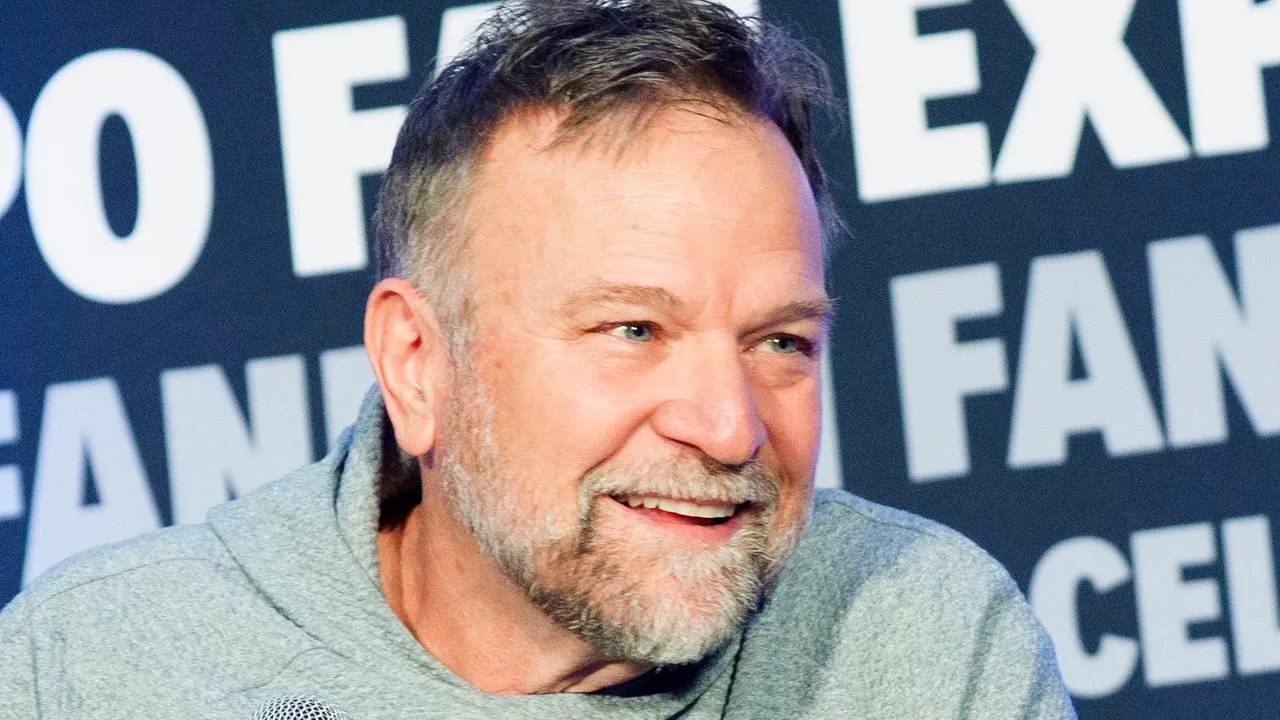
Ned Luke, who played Michael De Santa in Grand Theft Auto 5, says the person who swatted him is going to prison for 4 years, with 3 years of supervised release to follow. For anyone running a public-facing brand or managing creator risk, the case is a reminder that doxxing and swatting are not just internet nastiness, they can become dangerous federal matters with real legal consequences.
Ned Luke says one of the people behind the swatting that has plagued him is going to prison for 4 years, followed by 3 years of supervised release. Luke, who portrayed Michael De Santa in Grand Theft Auto 5, shared a letter from the US Department of Justice on Instagram this week and made clear he sees the sentence as a beginning, not an ending: “Won't be swatting anyone anytime soon...and they're coming for the ones he ratted out as well.” The defendant’s name was redacted in the latest letter Luke posted, and the notice does not spell out whether the punishment stems from the 2023 Thanksgiving incident or from one of the other swattings Luke has endured over the past three years, or some combination of them. But the headline fact is unambiguous: a swatter is heading to prison, and Luke says more names were uncovered in the case.
That matters because swatting is not a harmless prank with a mean streak. It is the act of reporting a violent crime in progress at someone’s house in order to trigger a heavy police response against an unsuspecting target. In plain English, it weaponizes emergency services. And the risk is not hypothetical. PC Gamer points to the 2017 swatting of 28-year-old Andrew Finch in Wichita, Kansas, who was shot and killed by police after stepping out onto his front porch to see what was happening. Tyler Barriss, who initiated that swatting, was sentenced to 20 years in prison for his role in the killing. That history explains why Luke’s anger is not just internet theater. Once law enforcement is pulled into a fake emergency, the outcome can turn violent in seconds.
Luke’s case also shows how long the fallout from online exposure can linger for public figures, especially those with large fan bases and loud corners of the internet. Back in 2023, during a Thanksgiving livestream, Luke was swatted while he was live. When people on X blamed Rockstar for exposing his personal information, Luke pushed back and said the studio had nothing to do with it: “These assholes leaked my private info years ago and have been doing this shit since. Anyone's info is available online if you are sick enuff to really wanna find it.” That line is ugly, but the point is clear. Once personal information is out in the wild, the original leak can keep echoing for years, and the target is left managing the consequences long after the first post, forum dump, or grudge disappears from view.
The other reason this story lands is that it hints at how investigations can widen. Luke said shortly after that 2023 incident that the Department of Justice had sent him a letter about the sentencing hearing for the defendant in the case, and that “many more names [were] discovered and provided.” In the latest post, he said more people may still be coming into focus. That does not mean everyone named will be charged, and the redacted letter does not identify anyone else. But for anyone who works in media, gaming, creator economy, or any role that puts a face on a product, the signal is obvious: what starts as harassment can become a paper trail, then a criminal case, then a much larger review of who knew what, who shared what, and who helped make the abuse possible.
Luke has been dealing with this for years. Videos on YouTube show him being swatted multiple times, including one clip posted in December 2025 in which police enter the room and tell him, “You're getting swatted again.” That is the kind of sentence no one wants to hear in their own home, and it captures why these incidents keep drawing serious legal attention. They are not just embarrassing interruptions or a nuisance for the person targeted. They can send armed officers racing toward a false emergency, create panic for everyone inside the house, and turn a livestream, a gaming session, or a normal night at home into a crisis. For executives and creators alike, the lesson is simple: once a public identity becomes a target, the security problem is no longer just digital.
There is also a reputational layer here that matters well beyond Luke and Grand Theft Auto 5. For celebrities, streamers, game actors, and other public-facing talent, the audience relationship is part of the business model, but so is the risk that comes with visibility. A successful persona can drive reach, fandom, and sales. It can also attract people willing to cross the line from trolling into criminal behavior. When that happens, the response is not only personal security planning. It can involve law enforcement, DOJ attention, document preservation, and a need to understand how personal data got exposed in the first place. Luke’s public reaction suggests he sees the case as both punishment and warning: if authorities are still working through names now, the story is not over for everyone involved.
For peers in similar roles, the strategic takeaway is uncomfortable but useful. Public visibility increases leverage, but it also increases attack surface. Doxxing, harassment, and swatting sit at the ugly intersection of fan culture, platform abuse, and criminal risk. Luke’s case shows that the legal system can treat that behavior as more than online noise, and that the consequences can stretch from a single false call to prison time, supervised release, and possibly additional defendants. If you are building a brand around a face, a voice, or a livestream, this is the kind of risk that does not show up in the metrics dashboard until it is already at the door.
This story's Key Insights and Take-aways are locked.
Create a free account to unlock Executive Actions for one credit.
Register to UnlockAlways free for Executives Club members. Join the Club
More in Entertainment
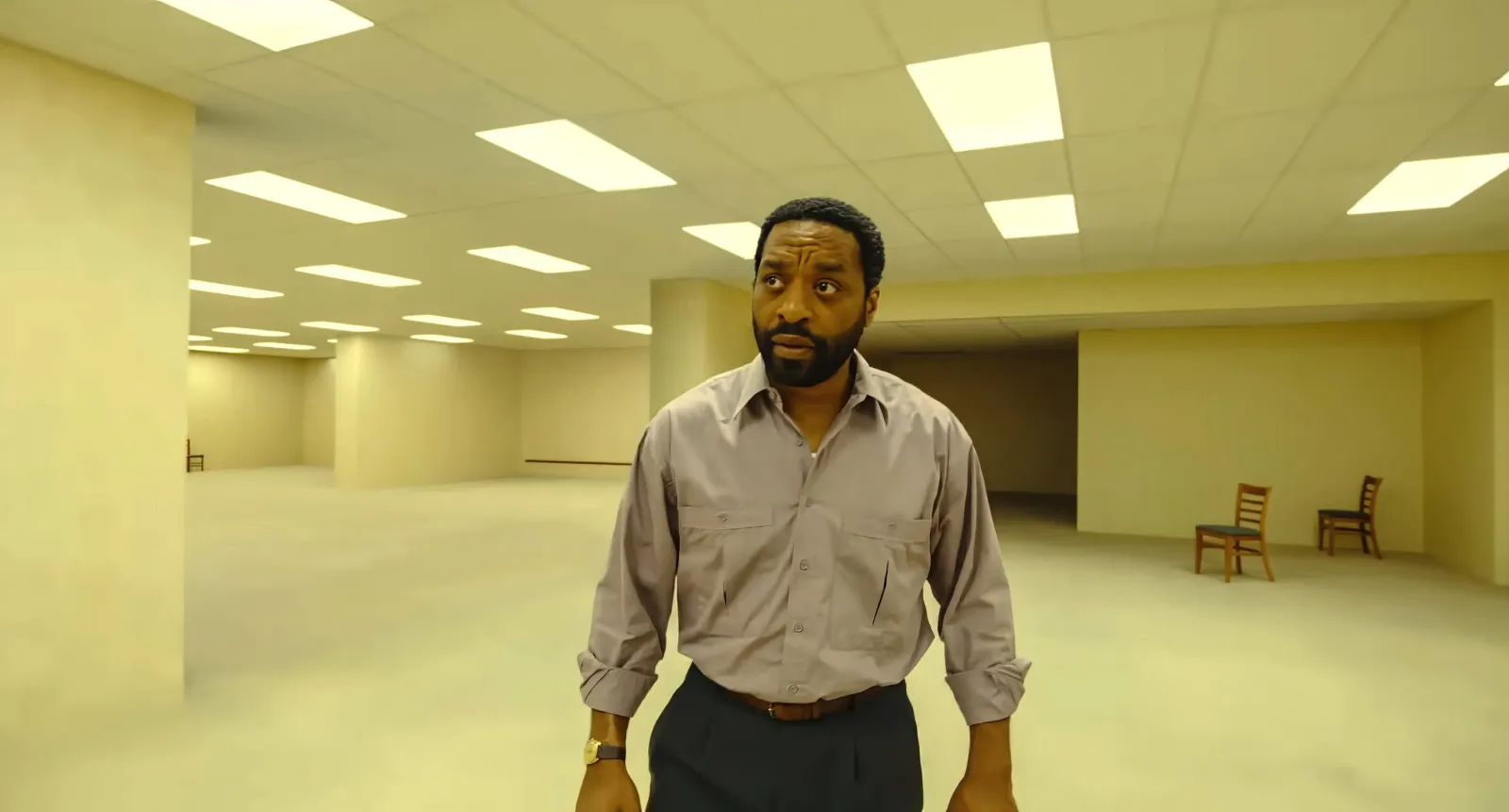
Backrooms hits $100 million in 6 days, and A24 just made history
The horror hit crossed a massive box office line faster than most arthouse films ever do, reshaping what A24 can do in theaters.
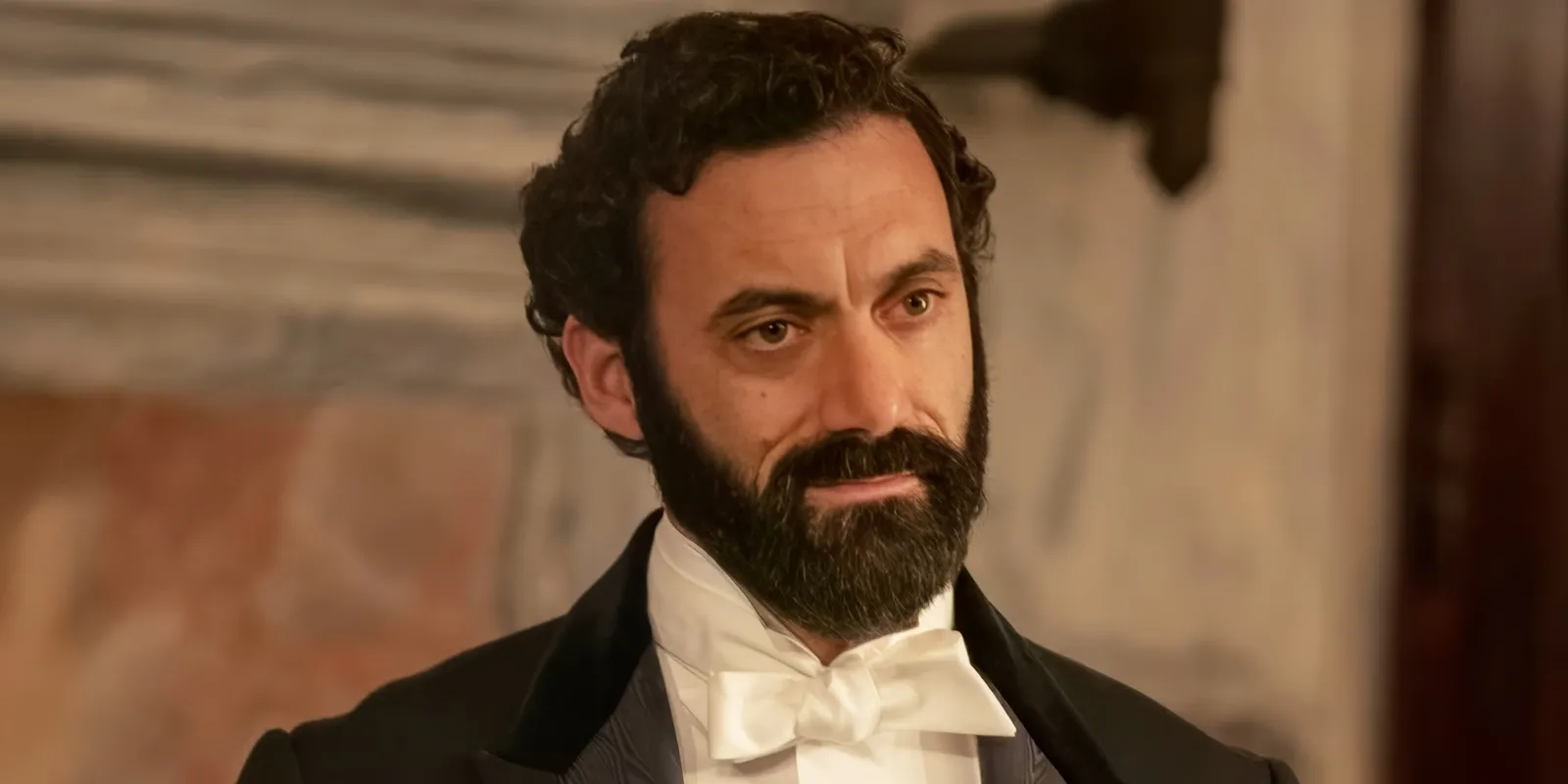
HBO’s Bridgerton Rival Quietly Climbs Back Into the Streaming Race
As Netflix’s period-drama juggernaut keeps widening the market, HBO’s fan-favorite response is regaining momentum ahead of Season 4.

Carrie Brzezinski-Hsu gets Disney's first company-wide creative agency
Main Street folds Yellow Shoes and The Hive into one marketing hub, giving Disney a single creative engine across entertainment, sports, experiences, and consumer products.