
Lego's Pokémon bricks turn Pikachu into a playable battle toy
The Lego-Pokémon tie-up adds motion-sensitive smart bricks, hinting at where premium toy brands are pushing play next.
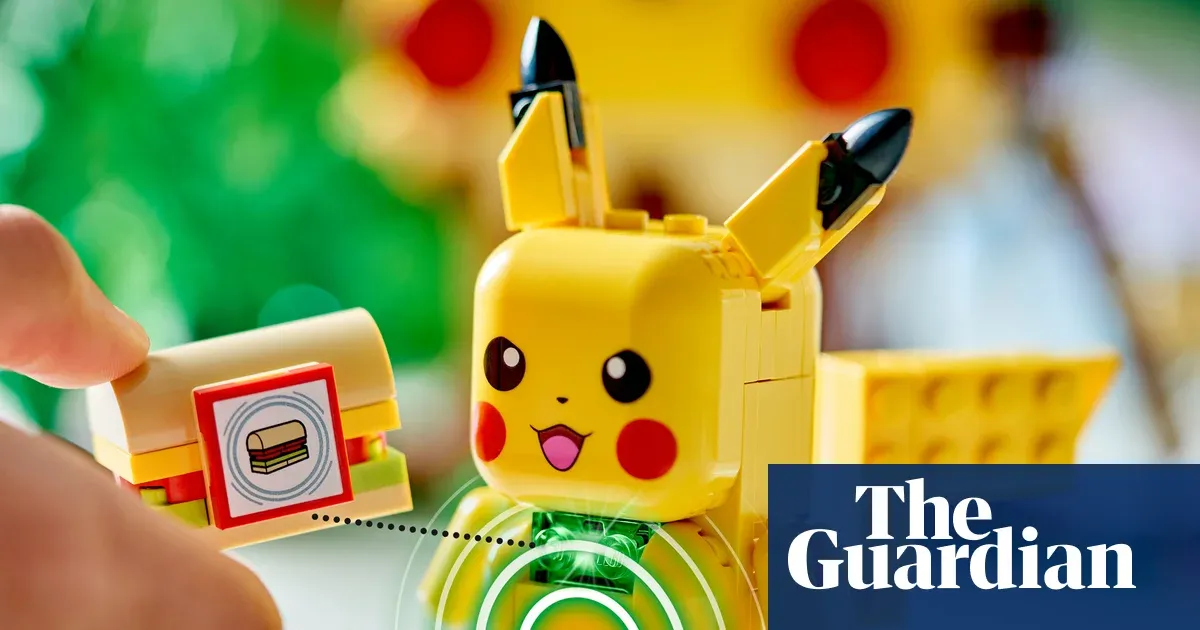
Lego and Pokémon are teaming up on hi-tech play sets that use motion-sensitive “smart” bricks, bringing Pikachu into interactive battles for the first time. For toy executives, this is a clear signal that blockbuster brands can justify premium, tech-enabled play experiences without losing the core appeal of physical toys.
Pokémon fans who have long imagined themselves as trainers are getting a new way to live out that fantasy. Lego and Pokémon are joining forces on hi-tech play sets that use motion-sensitive “smart” bricks, and for the first time those bricks bring Pikachu to life in a way that is meant to support interactive battles. In plain English: this is not just a static build-and-display set. It is a toy experience designed to react, make noise, flash lights, and make the player feel closer to being in the action.
The key detail is that the sets use Lego’s motion-sensitive “smart” bricks, which produce an array of sound effects and flashing lights when paired with different sets. That matters because it shows how two of the most recognizable names in consumer entertainment are trying to make physical play feel more dynamic without abandoning the brick-based model that made Lego famous in the first place. The Guardian described the sets as allowing fans to “feel like the trainer,” and that framing gets at the commercial logic here: this is immersive play, not just collecting. For parents, kids, and adult fans, the appeal is obvious. For executives watching the toy market, the message is just as clear. The premium end of toys is increasingly about experience, interactivity, and franchise power, not just plastic pieces in a box.
This tie-up is also notable because it sits at the intersection of two blockbuster brands with very different but highly compatible strengths. Pokémon brings one of the most durable character universes in global entertainment, while Lego brings a building system that has become a kind of universal language for play. Put together, they create a product that can lean on nostalgia, fandom, and the basic human joy of making something with your hands. That combination is powerful in consumer markets because it gives buyers more than one reason to spend. They are not just buying a toy. They are buying recognition, identity, and a chance to participate in a story they already know.
The “smart” brick angle matters too because it fits a broader pattern in toys and games: physical products are being upgraded with more sensory feedback to compete with screen-based entertainment. Lego has already used motion-sensitive smart bricks in other sets, and this Pokémon version extends that model into a franchise with enormous reach. The tech here is not presented as an end in itself. It is a feature that amplifies the core play pattern. Sound effects and flashing lights are the hooks, but the underlying business logic is about making the set feel more alive, more social, and more replayable. That is important in a category where shelf space is limited, attention is expensive, and brands need to justify a higher price point quickly.
There is also a second-order implication for how major licensors think about product development. Big entertainment brands increasingly want toys that can do more than sit on a shelf or collect dust after one afternoon. They want products that can extend the franchise experience into a format that feels novel enough to make even a familiar character, like Pikachu, worth buying again. When a toy company can say it is bringing a beloved character to life for interactive battles, it is tapping into exactly the sort of narrative that helps a launch stand out in a crowded market. That does not mean every future toy will need flashing lights and motion sensors. But it does suggest that the premium lane for physical play is getting more sophisticated, especially when a global IP holder is involved.
For business leaders, the bigger lesson is that this is what brand leverage looks like when it is working. Lego is not simply licensing a famous character and calling it a day. It is pairing a strong IP with a proprietary play mechanic, which gives the product a reason to exist beyond the logo on the box. Pokémon, meanwhile, gets a new avenue for relevance in a market where entertainment increasingly competes across formats, devices, and attention spans. In that sense, the launch is about more than a cute crossover. It is a reminder that the most valuable consumer products often happen when a beloved brand meets a format that changes how people interact with it.
If you run a consumer company, oversee a portfolio of licensed products, or sit on a board that still thinks of toys as simple retail items, this is worth noticing. The Lego-Pokémon sets show how much value can be unlocked when physical goods are designed to feel participatory, not passive. And because the source says these are the latest Lego sets to feature motion-sensitive smart bricks, the launch also signals that this is not a one-off experiment. It is part of an ongoing product direction. In a market where attention is hard to buy and even harder to keep, that is the kind of detail that can shape where the next wave of premium consumer spend goes.
This story's Key Insights and Take-aways are locked.
Create a free account to unlock Executive Actions for one credit.
Register to UnlockAlways free for Executives Club members. Join the Club
More in Entertainment
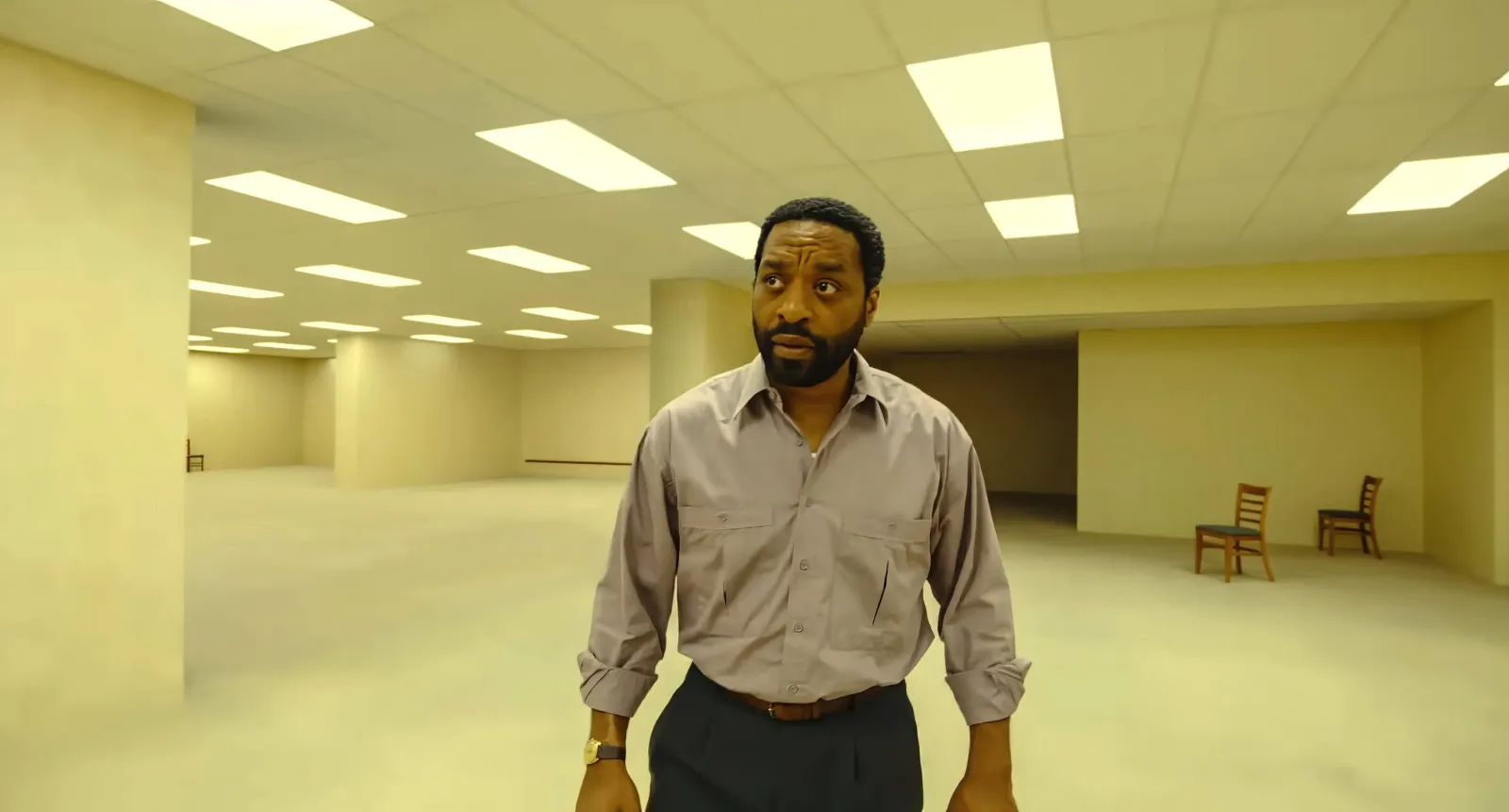
Backrooms hits $100 million in 6 days, and A24 just made history
The horror hit crossed a massive box office line faster than most arthouse films ever do, reshaping what A24 can do in theaters.
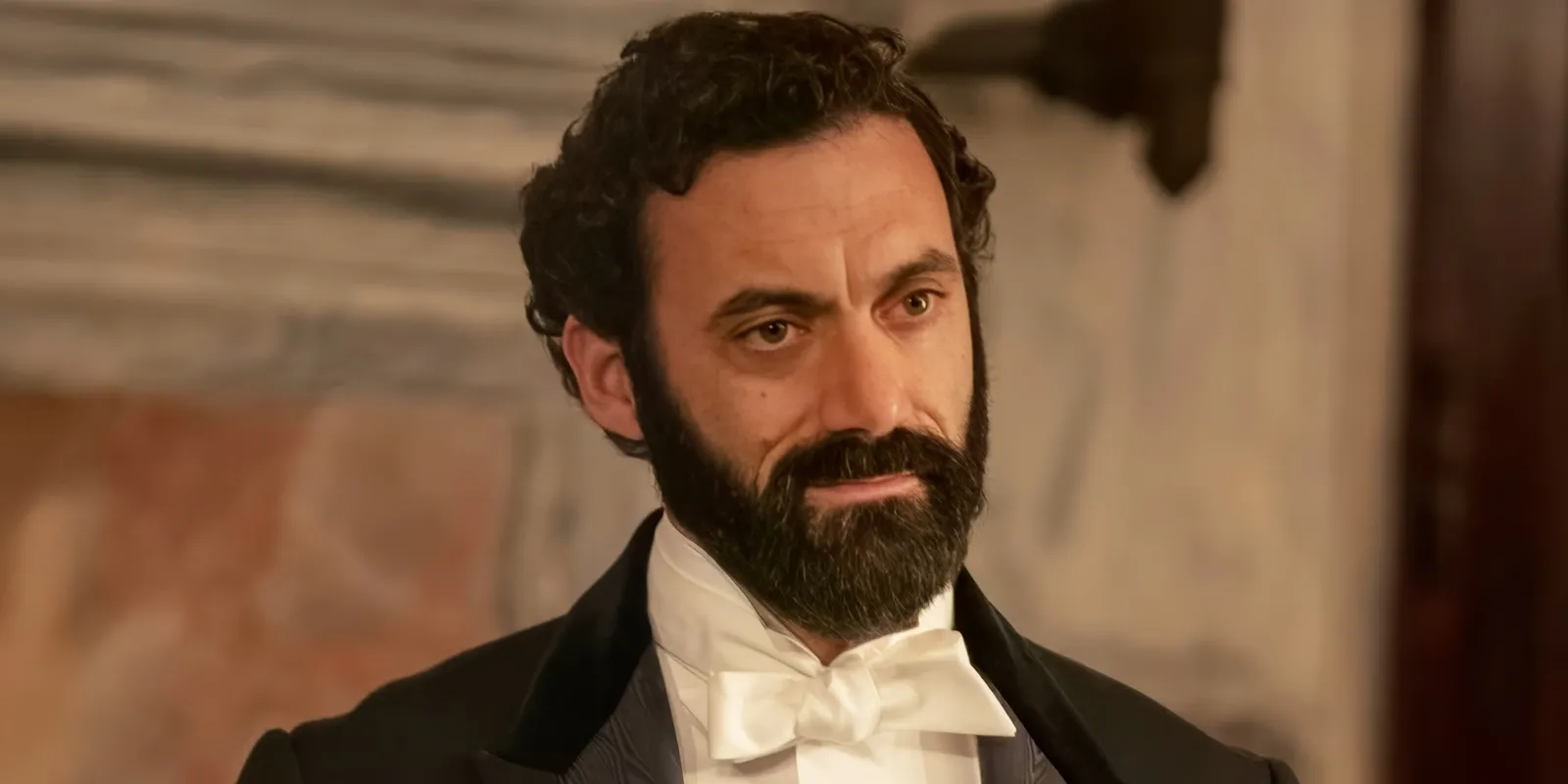
HBO’s Bridgerton Rival Quietly Climbs Back Into the Streaming Race
As Netflix’s period-drama juggernaut keeps widening the market, HBO’s fan-favorite response is regaining momentum ahead of Season 4.

Carrie Brzezinski-Hsu gets Disney's first company-wide creative agency
Main Street folds Yellow Shoes and The Hive into one marketing hub, giving Disney a single creative engine across entertainment, sports, experiences, and consumer products.