
Rhea Seehorn calls Pluribus pilot the hardest shoot of her life
The Apple TV pilot pushed Seehorn to an extreme she says she had never hit before, underscoring how prestige TV can still demand brutal physical and emotional reserves.

Rhea Seehorn said the pilot for Apple TV's "Pluribus," which released last November, became the hardest thing she has ever done in her life after the production pushed her into what she called the "night of hell." For executives, it is a reminder that premium TV still wins by asking talent to deliver at the edge of endurance, with scheduling, staffing, and creative ambition all under pressure.
Rhea Seehorn is not new to hard work, or to shows that ask a lot from the people making them. She built a lucrative TV career across titles like "Better Call Saul" and "Whitney," but the pilot episode of Apple TV's "Pluribus," which released last November, took that standard and shoved it into a different zip code. In her own words, the episode was "the night of hell," and she said it was "The Hardest Thing I’ve Ever Done in My Life." That is the hook here: not just that the actor had a demanding day on set, but that a single pilot episode was intense enough to stand out against a career already full of difficult work.
The line matters because pilots are where streaming-era ambition either becomes a series or collapses under its own weight. A pilot has to establish tone, story, and character fast, while also convincing a platform like Apple TV that the project is worth the long bet. When the star of that pilot says the experience was the hardest of her career, that tells you the creative ask was unusually steep. It also tells you something about how prestige television keeps competing: not merely by being expensive, but by demanding more from actors, crews, and everyone else around the production. Seehorn's comment makes the invisible labor of that competition visible.
The source does not spell out every production detail, but it does give a very clear frame. Seehorn described the episode as an "epic pilot," and she specifically said it was "the night of hell." That wording suggests a shoot built around sustained intensity, not a simple scene or two that could be knocked out between easier days. For a show opening on Apple TV, the pilot has to do a lot of heavy lifting, and the people in front of the camera often carry that weight in the most literal sense. That is one reason the story lands beyond entertainment gossip: streaming platforms do not just buy content, they buy first impressions. A pilot like this is the product pitch, the proof of concept, and the tone-setter all at once.
For industry watchers, Seehorn's experience also fits a larger pattern in modern TV production. The push for event-level streaming shows has made pilots feel less like test runs and more like high-stakes launches. That usually means tighter expectations, bigger creative swings, and more pressure on the lead performance to establish everything immediately. If a pilot has to arrive already feeling like a complete world, the production often front-loads the difficulty onto the cast. The result is a piece of television that can look effortless on screen while requiring something much closer to controlled chaos behind the scenes. Seehorn's description is a blunt reminder that the gap between what viewers watch and what performers survive can be enormous.
Her career history makes the quote even sharper. "Better Call Saul" and "Whitney" are very different shows, which underscores how broad her range has been across genres and tones. That breadth makes her reaction to "Pluribus" more meaningful, because it is not coming from a newcomer rattled by the first tough job. It is coming from someone who has already done enough TV to know the difference between hard and truly punishing. In other words, when a seasoned actor calls a pilot the hardest thing she's ever done, that is not publicity fluff. It is a signal that the production reached a level of difficulty worth noticing.
There is a second-order lesson here for executives across media and adjacent businesses: ambition has a cost, and the cost is often paid in human stamina before it ever shows up in a budget line. In streaming, the temptation is always to make the opening episode bigger, darker, more cinematic, and more unforgettable, because first episodes carry disproportionate business value. But that also raises execution risk. If the creative team cannot sustain the pressure, the project can wobble before the audience ever sees the payoff. Seehorn's comments do not tell us whether "Pluribus" will win or lose, but they do show what it can take to get a premium project out of the gate.
For peers in Hollywood, and for anyone making bets on talent-driven businesses, the takeaway is simple: the market still rewards great first impressions, but those impressions are increasingly built on production conditions that push people hard. Seehorn's experience on the "Pluribus" pilot shows how much value can sit inside one episode, and how much strain can hide underneath it. If you are running a studio, a streamer, or any organization that sells ambition as product, this is the part worth remembering: the hardest thing in the room may be the thing that makes the launch work.
This story's Key Insights and Take-aways are locked.
Create a free account to unlock Executive Actions for one credit.
Register to UnlockAlways free for Executives Club members. Join the Club
More in Entertainment
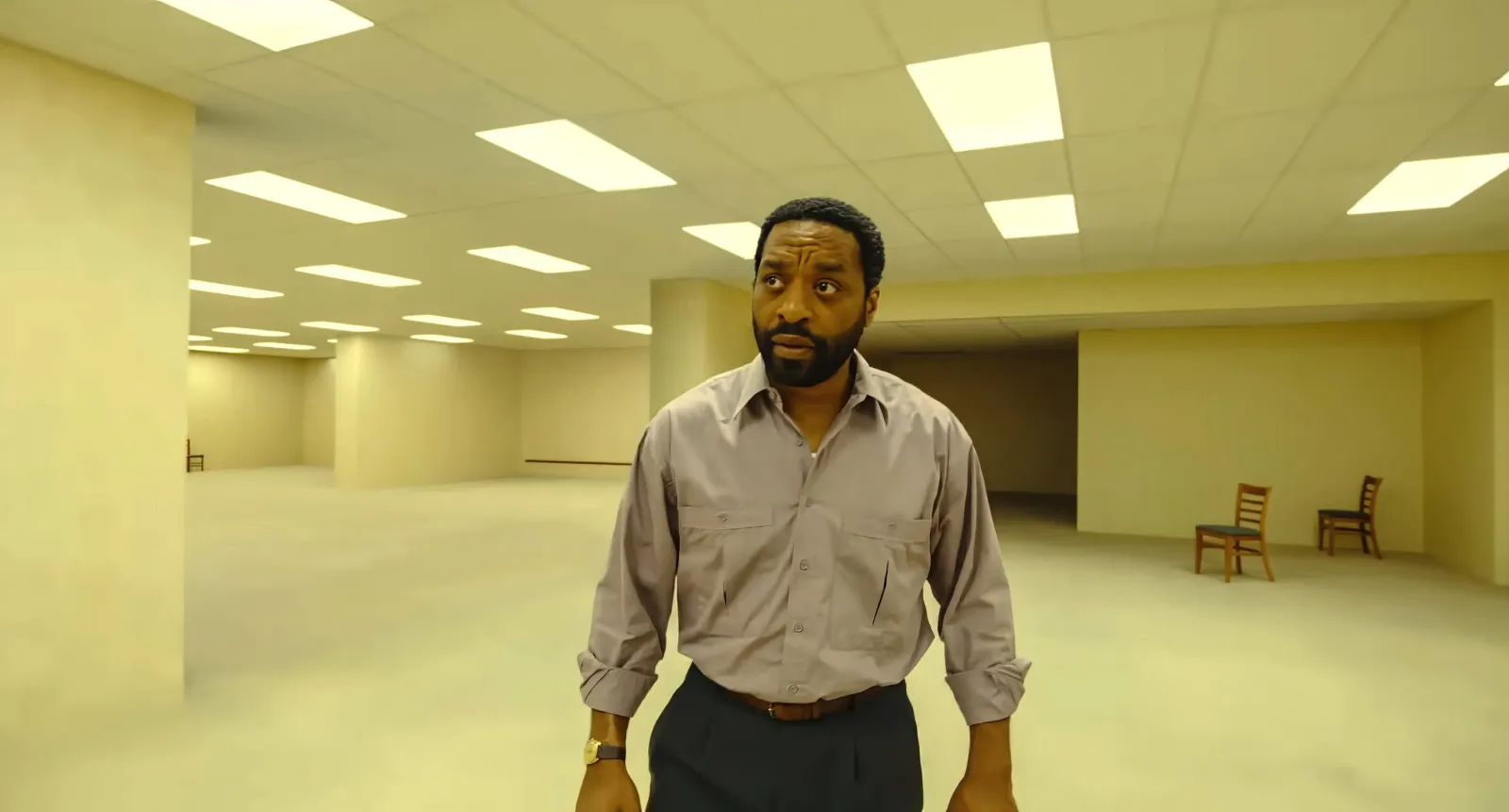
Backrooms hits $100 million in 6 days, and A24 just made history
The horror hit crossed a massive box office line faster than most arthouse films ever do, reshaping what A24 can do in theaters.
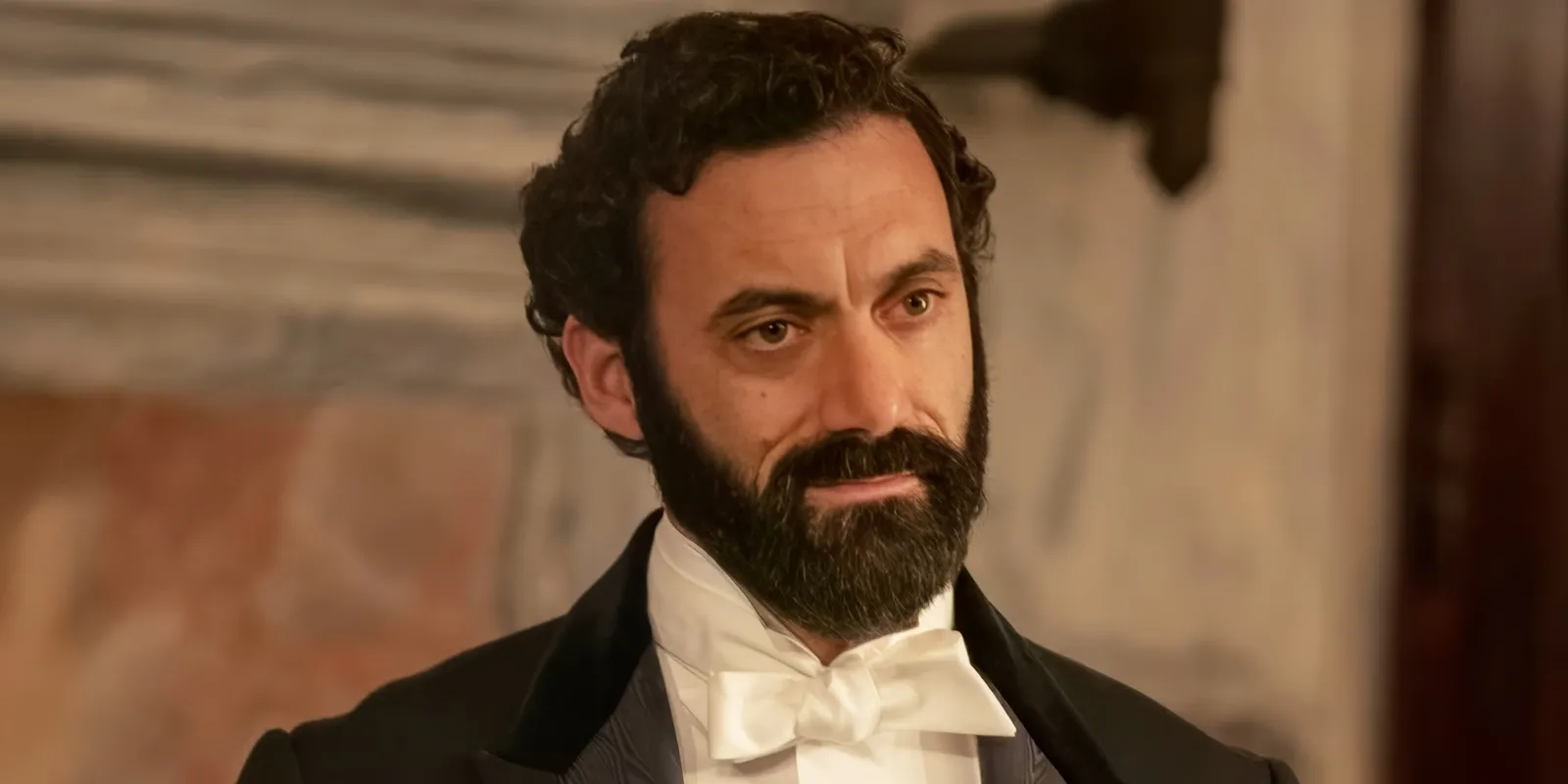
HBO’s Bridgerton Rival Quietly Climbs Back Into the Streaming Race
As Netflix’s period-drama juggernaut keeps widening the market, HBO’s fan-favorite response is regaining momentum ahead of Season 4.

Carrie Brzezinski-Hsu gets Disney's first company-wide creative agency
Main Street folds Yellow Shoes and The Hive into one marketing hub, giving Disney a single creative engine across entertainment, sports, experiences, and consumer products.