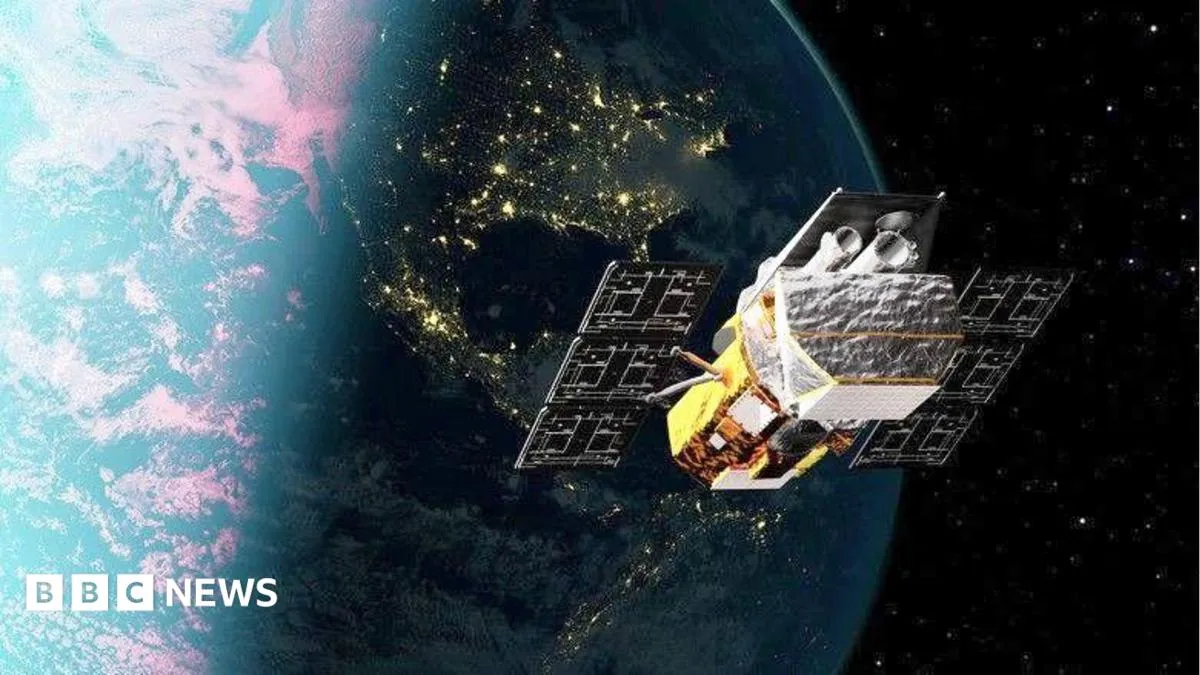
Refrigerator-size spacecraft grabs Swift to boost orbit and keep cosmic explosions in view
A mission to reboost NASA's Swift telescope launches to save its science schedule, and decision-makers should care about mission risk.

Curating from trusted global sources…
Curated from trusted global sources, refined into briefing-grade analysis with executive summaries, insights, and bullet-point takeaways.

A mission to reboost NASA's Swift telescope launches to save its science schedule, and decision-makers should care about mission risk.

What decision-makers need to know about immersive science, pricing power, and the rollout schedule starting in Washington, DC.

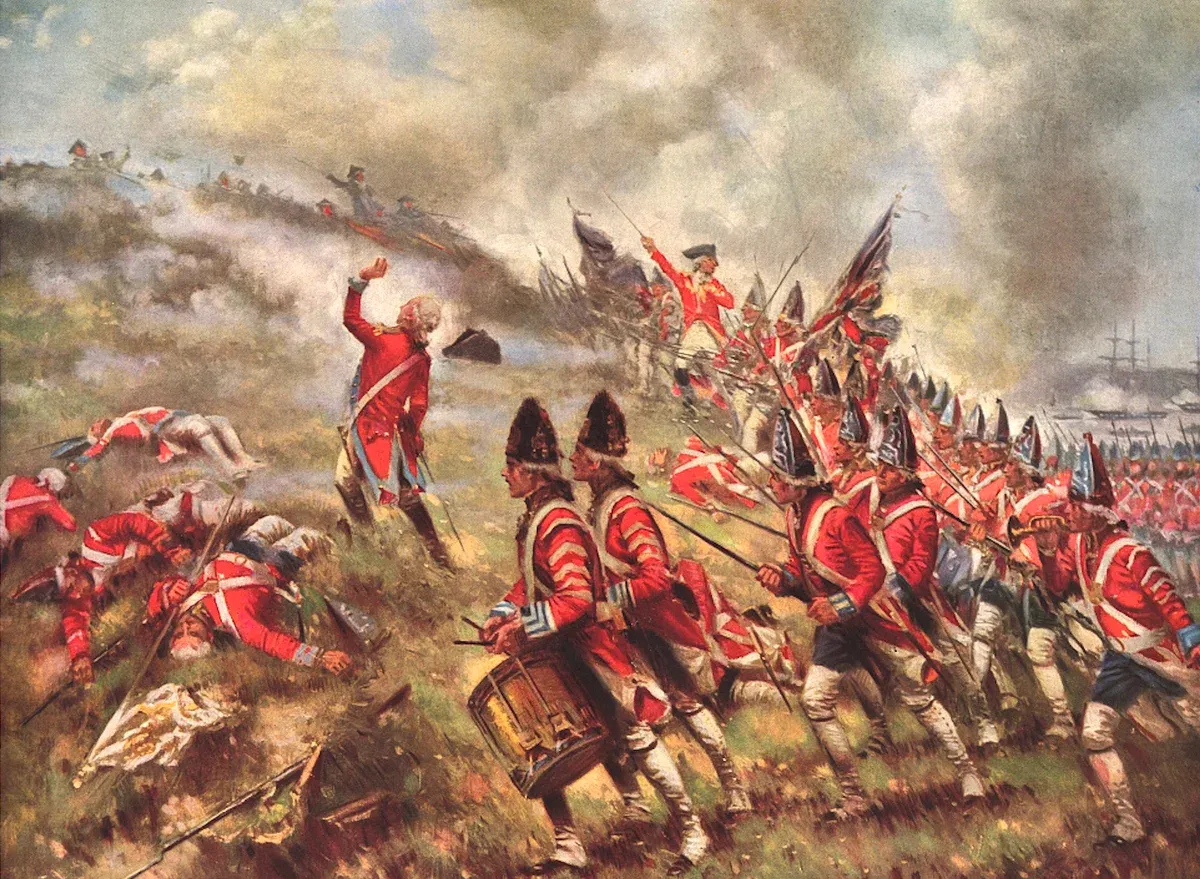
Archaeologists’ new finds deepen the story of the first major American Revolution clash, and what that means for how we interpret history.

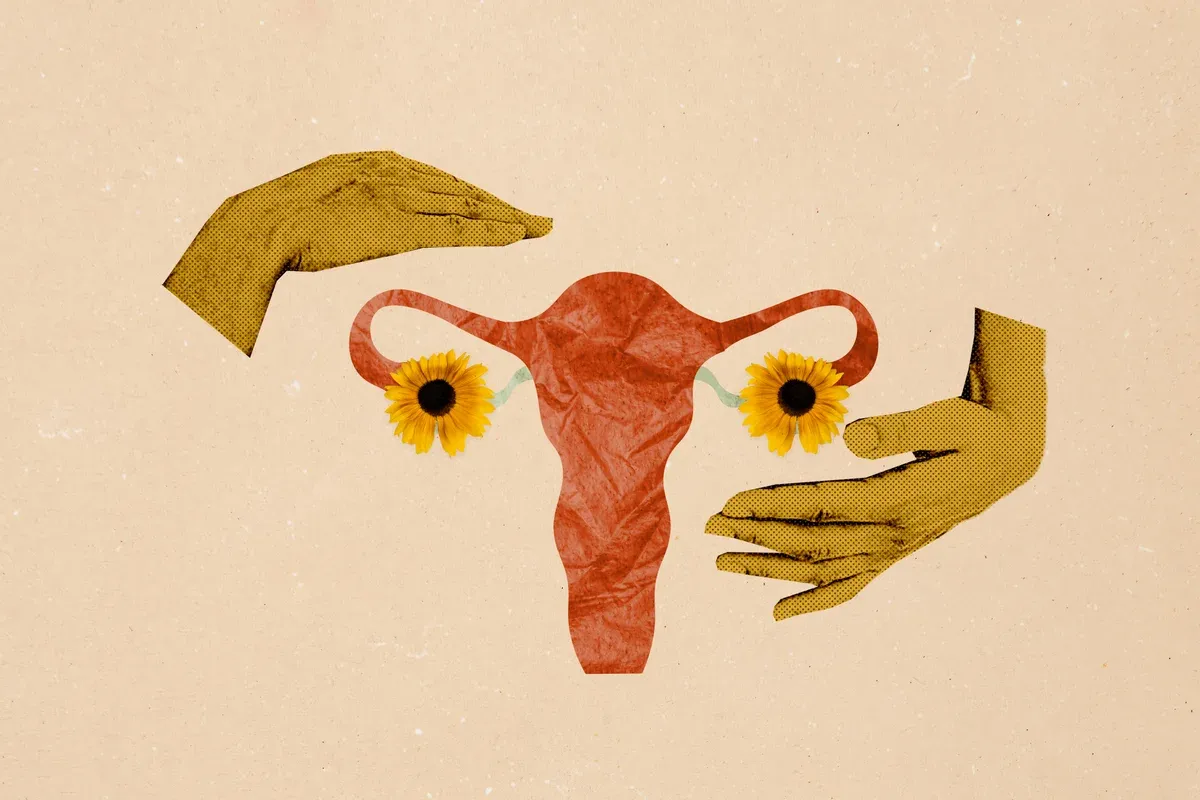
If the lifelong egg bank model is wrong, it reshapes biology textbooks, fertility forecasts, and future biotech priorities.

A mid-orbit rescue mission turns orbital debris risk into a managed problem, not a headline tragedy.

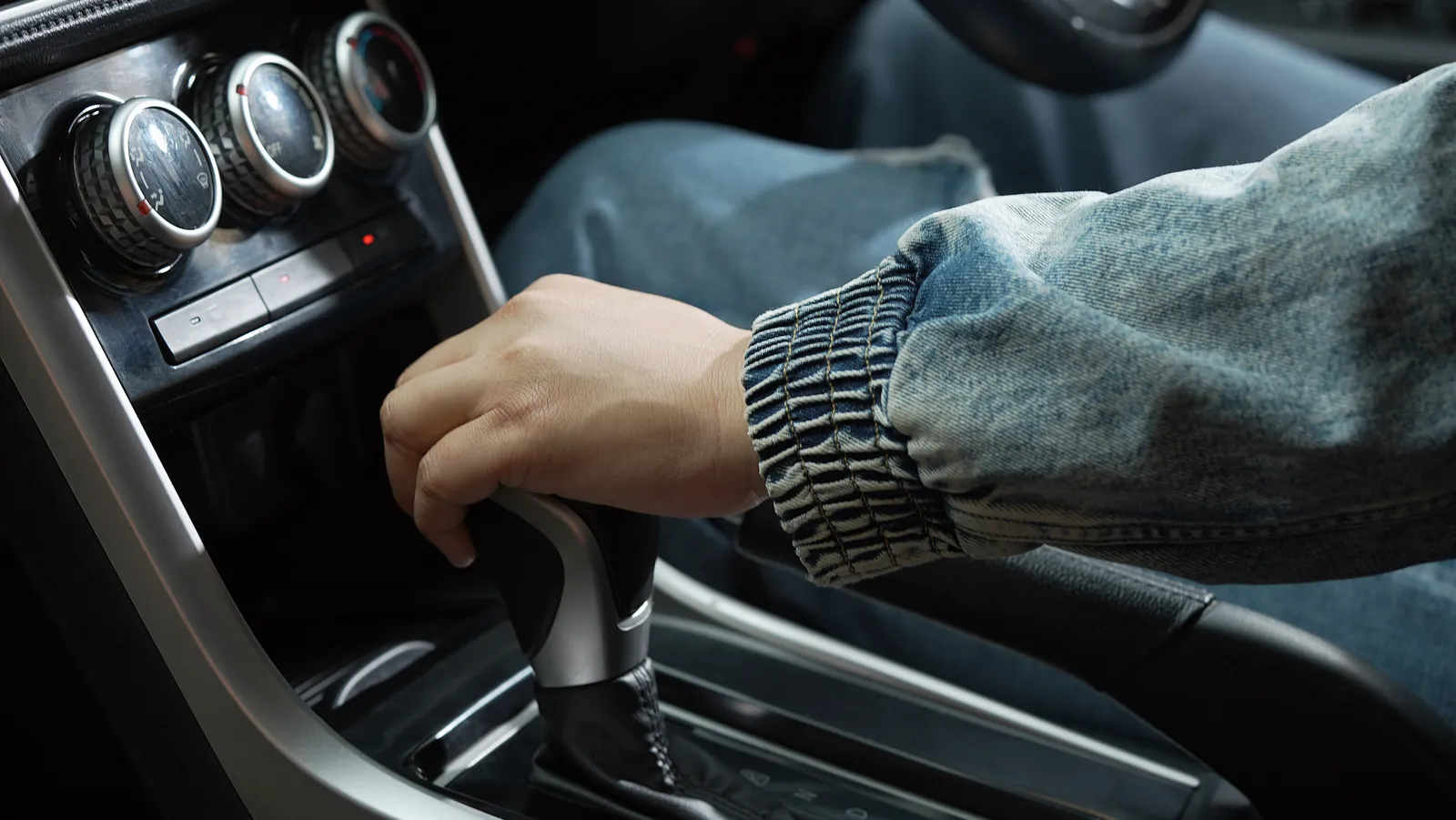
A Tohoku University study links stick shifts to stronger cognitive activity, with dementia prevention implications.

The researchers won’t call it alive, but it blurs the chemistry-biologiy boundary in a way regulators and investors will notice.

The Earth Photo 2026 win spotlights coastal erosion and permafrost thaw across Inuvialuit territories, with bigger implications for climate risk.

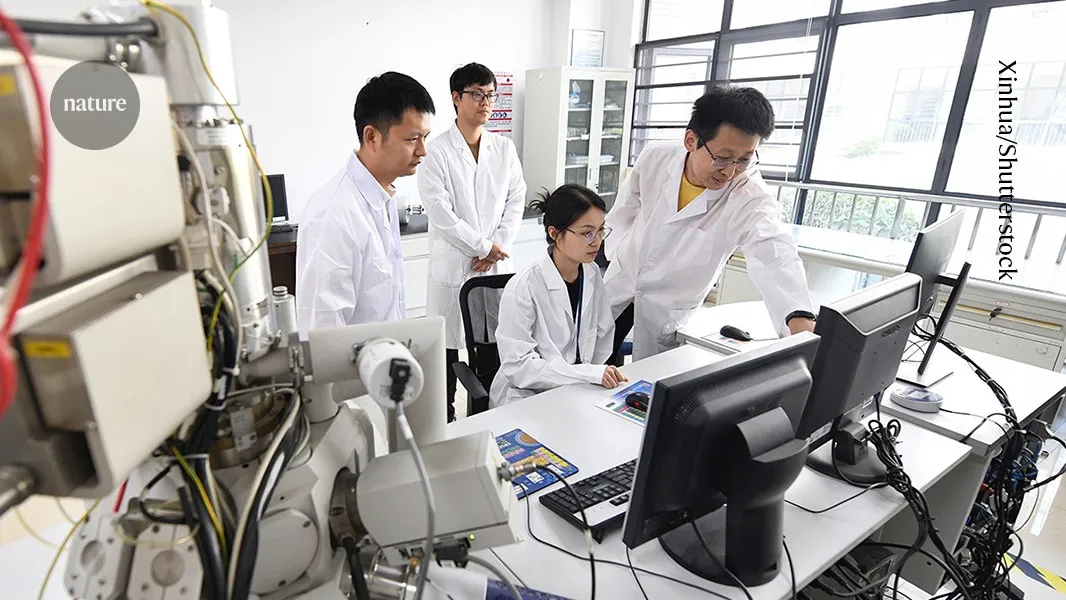
China’s National Natural Science Foundation says it is expanding grants. The catch: will more money cool or intensify competition?
A hurricane tool accidentally turned into a global sensor of Earth and weather, changing what scientists can measure.

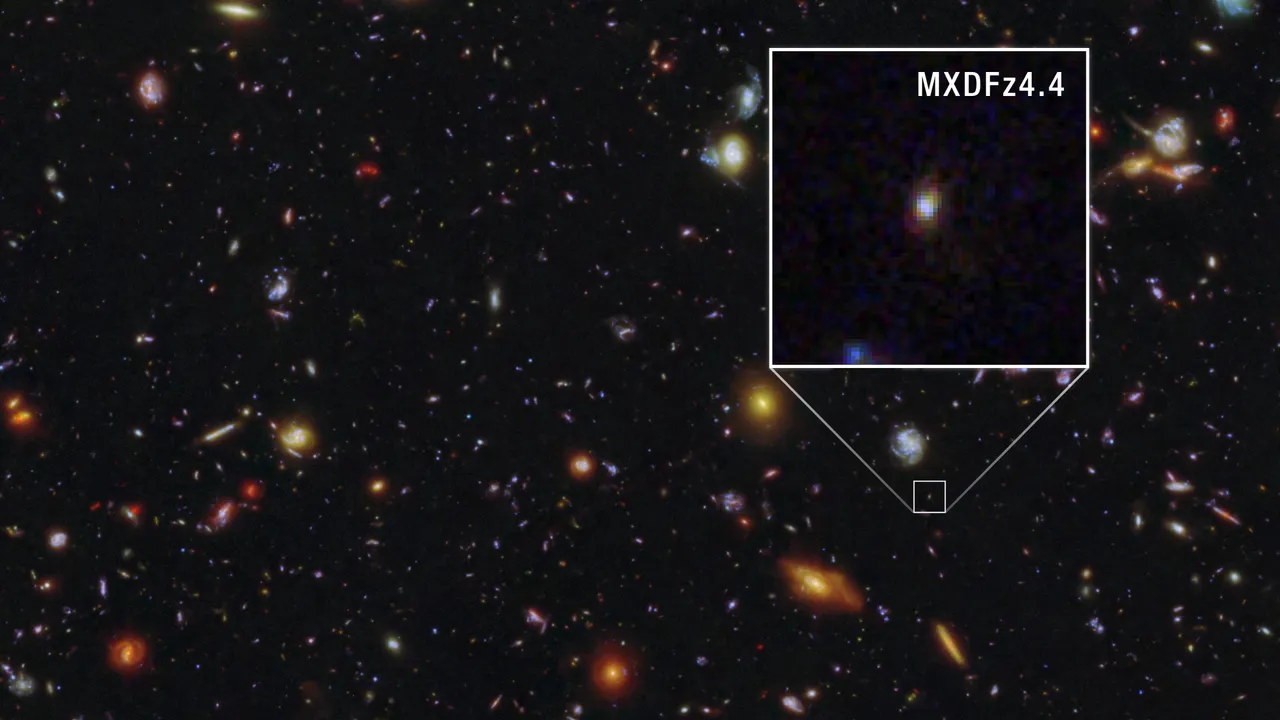
An “impossible” early-universe signal suggests some galaxies cleared hydrogen fog much faster than models assumed.

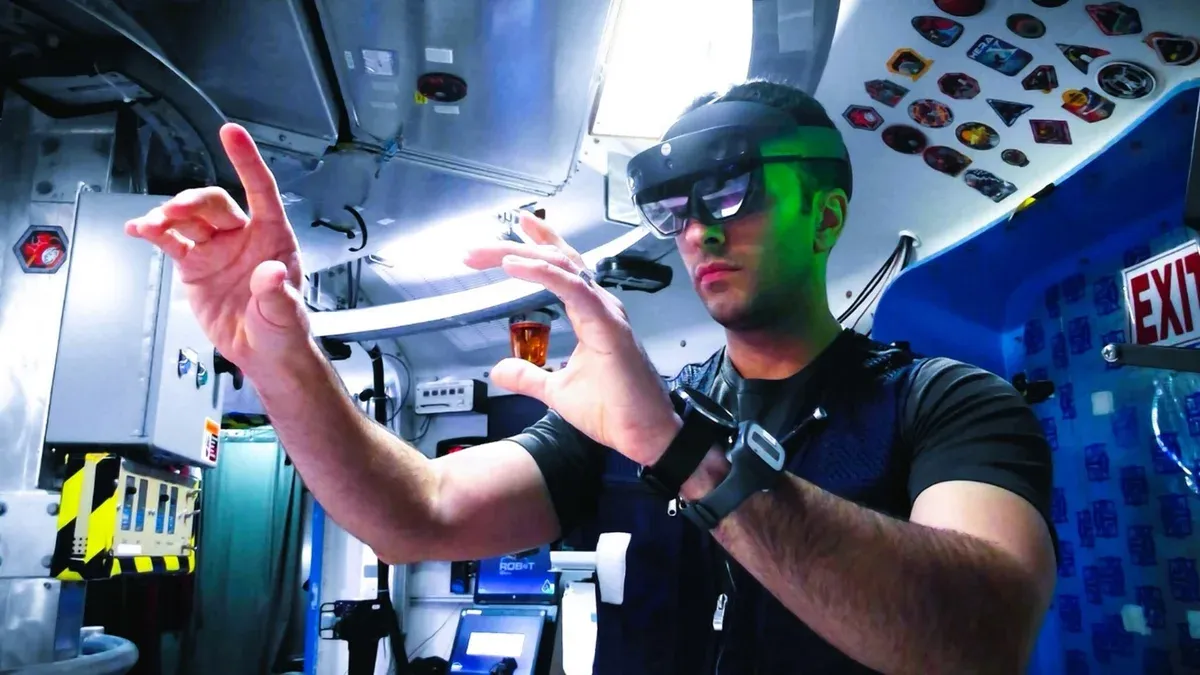
What it looks like to run a mission where boredom, confinement, and systems risk are the main adversaries.