

Lab-made “spudCell” grows, feeds, divides, competes, forcing a new synthetic-biology debate
A lifelike, cell-like structure is stirring researchers to question what counts as life and what comes next for design.
By Hessa Al-Faleh·· 3 min

Curating from trusted global sources…
Curated from trusted global sources, refined into briefing-grade analysis with executive summaries, insights, and bullet-point takeaways.
A lifelike, cell-like structure is stirring researchers to question what counts as life and what comes next for design.
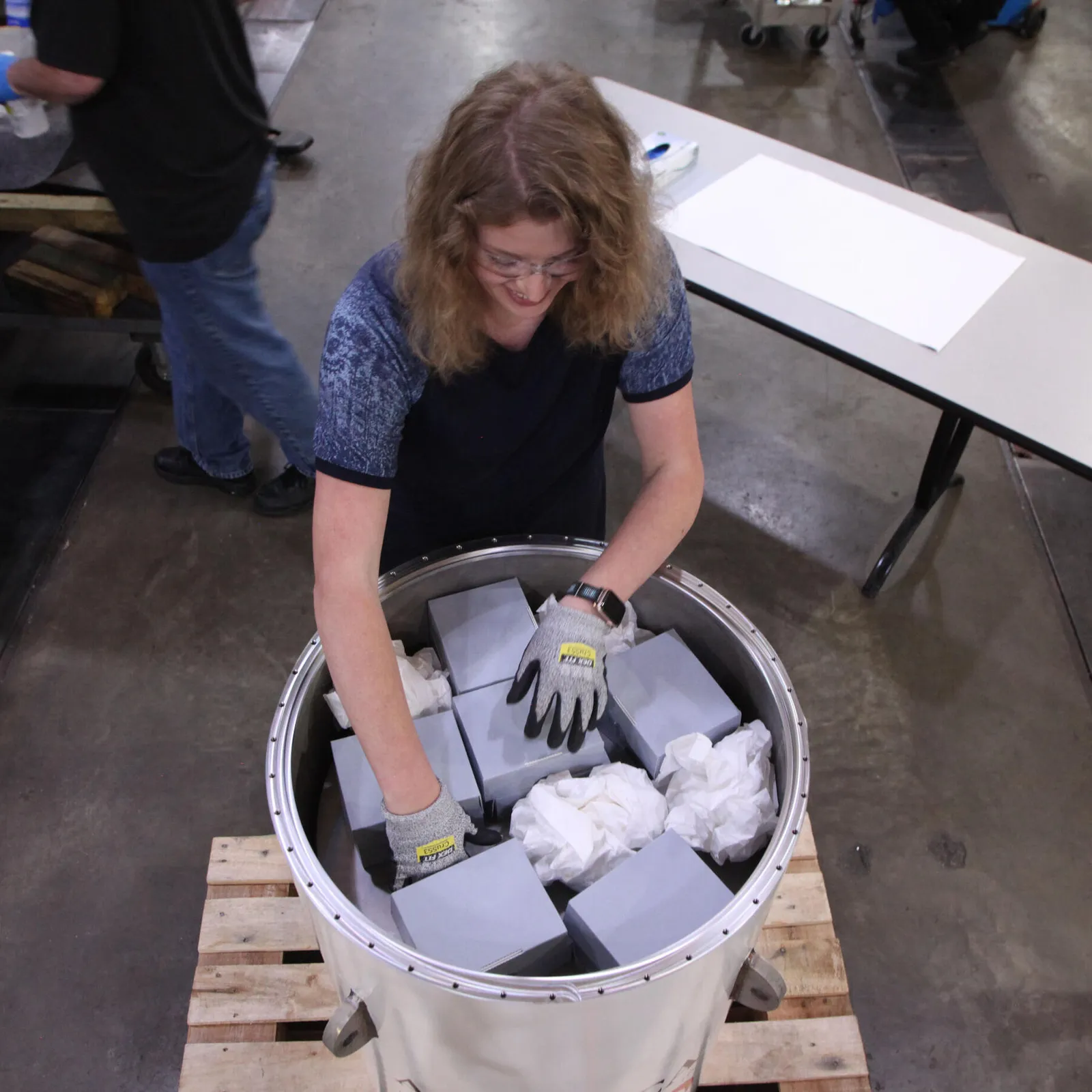
A new capsule program built to survive centuries shows how storage engineering, materials, and governance collide.
A blockbuster dinosaur skeleton is showcased ahead of its sale later this month, signaling how high-end collectibles stay liquid.
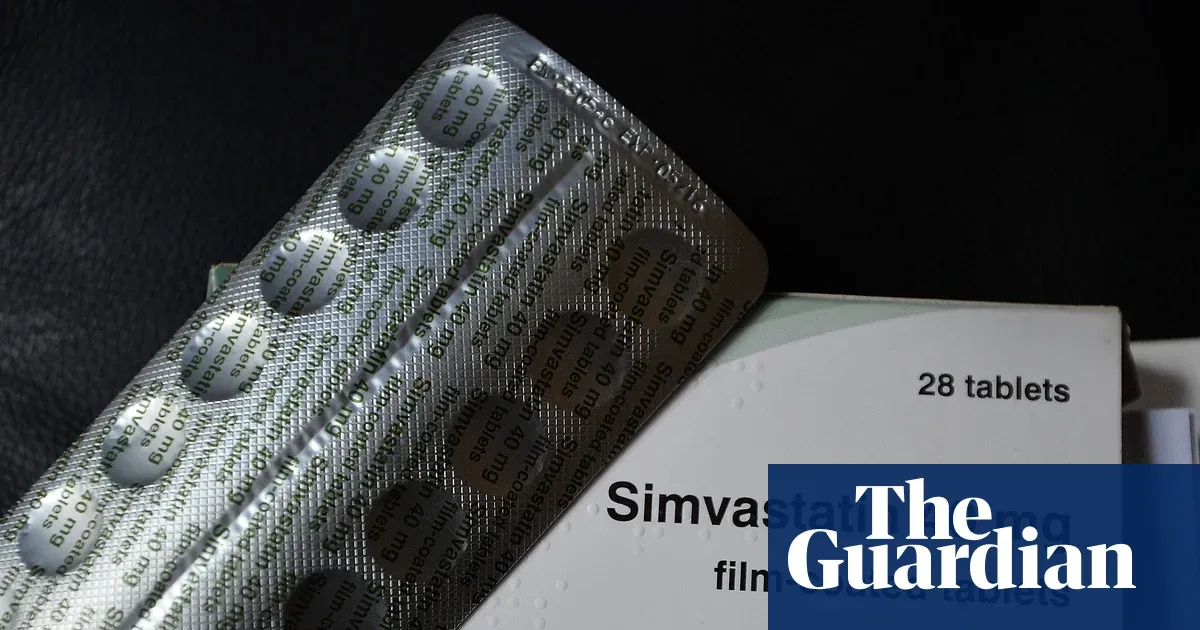
In adults over 40, “unhealthy” markers narrow or disappear, reshaping how health risk is interpreted and managed.
A new paper challenges the long-held assumption that tree height automatically raises drought risk by changing water transport.
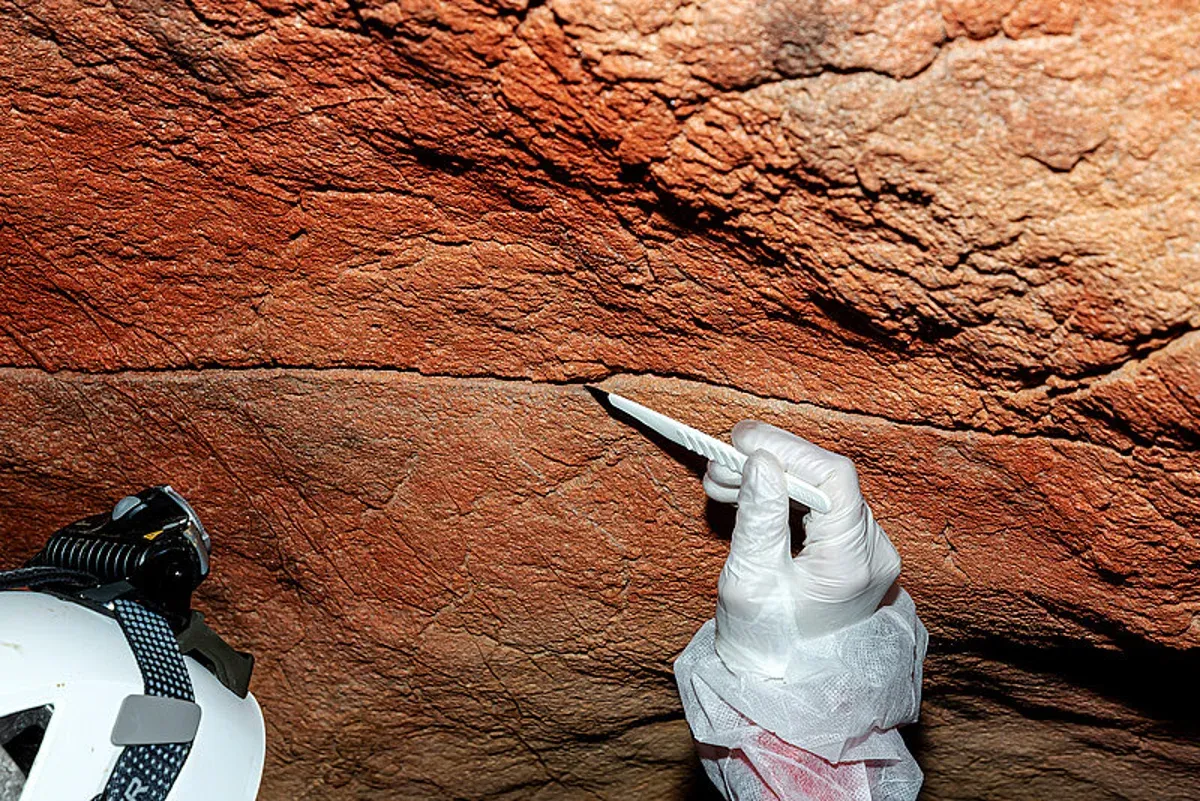
A new study shows human DNA can persist in cave art surfaces for thousands of years, opening a fresh window on past behavior.
As humans push farther into natural spaces, wildlife and people collide more often, raising conflict risks for park operators.
A new trial starts in the Democratic Republic of the Congo to evaluate an antiviral drug and an antibody cocktail against Ebola Bundibugyo.
Rubin Observatory starts LSST operations, with 80-plus Japanese researchers already contributing, linking wide-area surveys to Subaru follow-up.
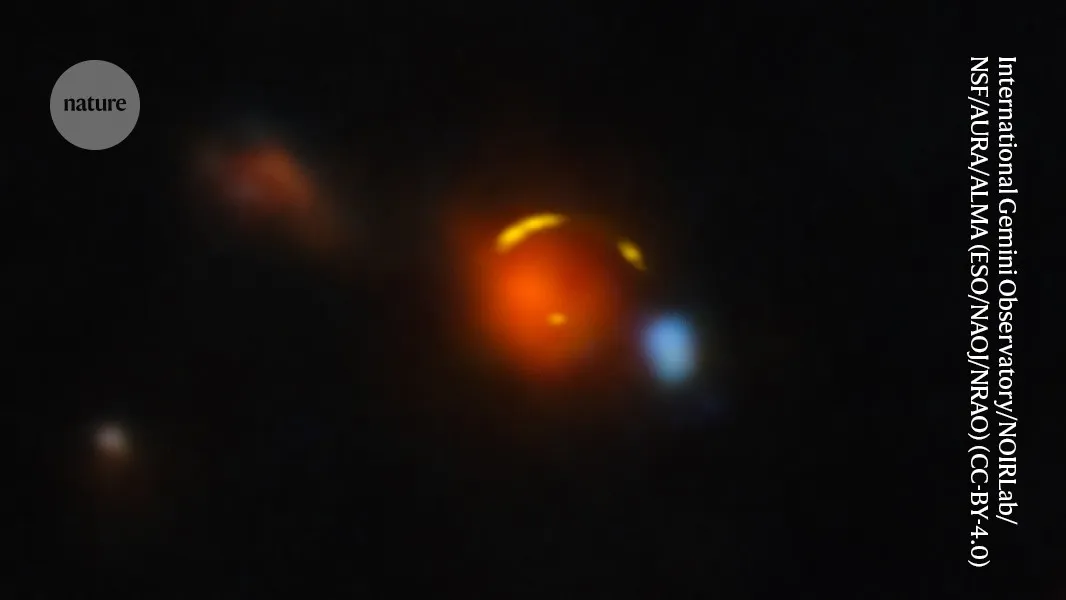
A South Pole neutrino event ties back to a galaxy that produced stars when the Universe was young.
A new analysis of 50 sites suggests consistent, highly specialized hunting of the largest animals across the Americas.
Exoplanet hunting is not just about the habitable zone. Stellar activity and rotation can mislead missions, and the catalog helps fix that.