

Tehran flips Hezbollah from asset to obligation as the war redraws proxy incentives
Foreign Policy argues Iran’s relationship with Hezbollah is changing as the war reshapes costs, control, and leverage for Tehran.
By Faisal Al-Qahtani·· 4 min

Curating from trusted global sources…
Curated from trusted global sources, refined into briefing-grade analysis with executive summaries, insights, and bullet-point takeaways.
Foreign Policy argues Iran’s relationship with Hezbollah is changing as the war reshapes costs, control, and leverage for Tehran.
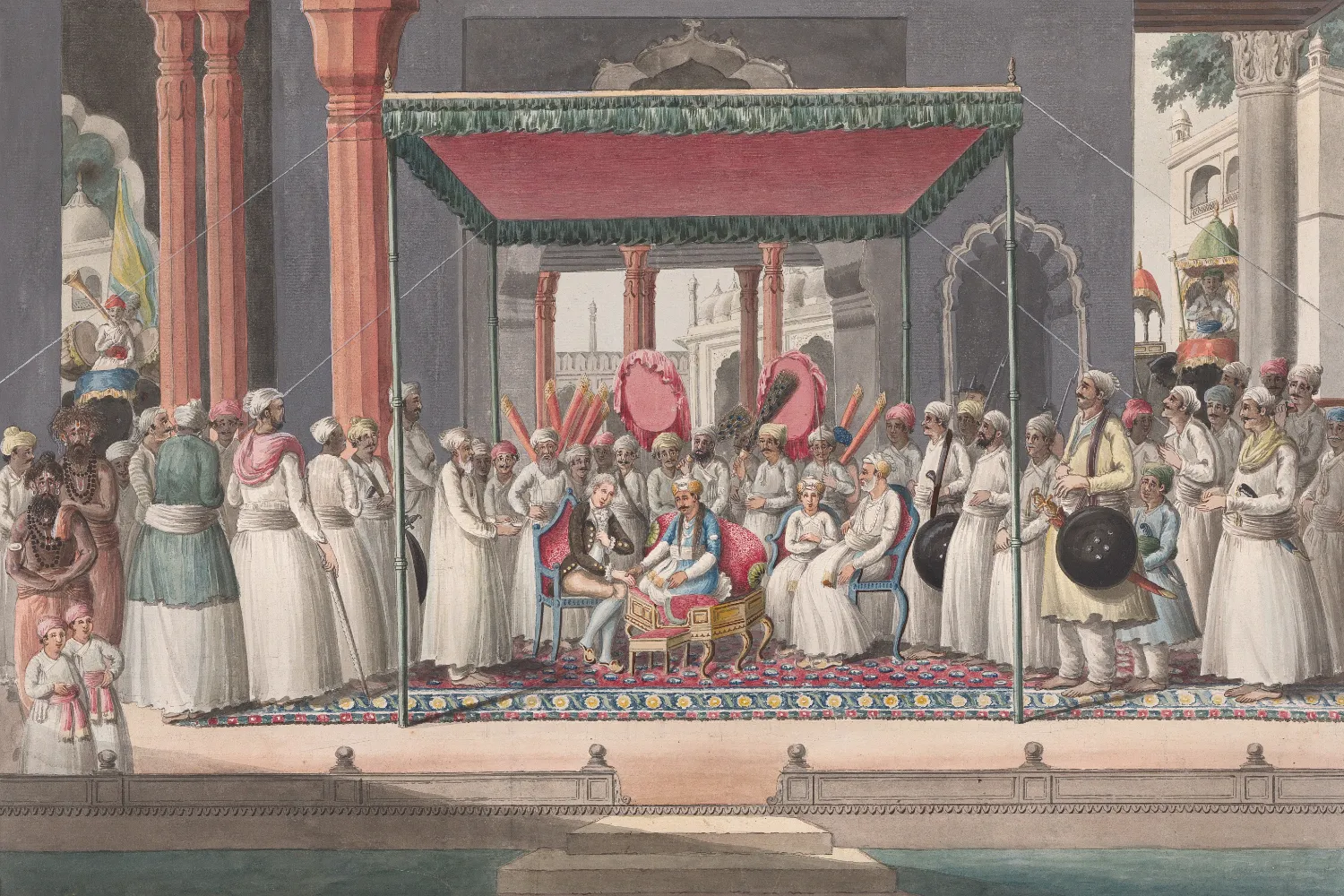
The exhibit links Western artistic production to colonial aggression, reshaping how executives should think about cultural power.
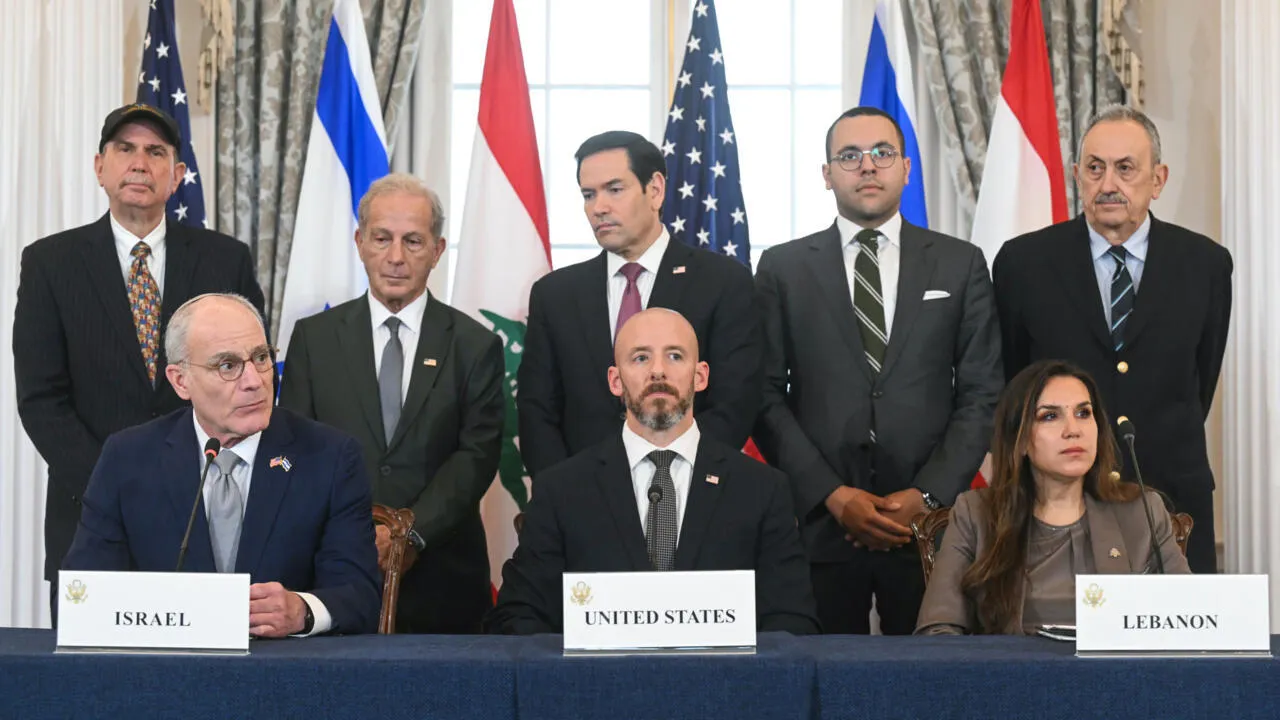
A first structure for ending hostilities: Lebanese control in two pilot zones, disarmament process, and $100 million US humanitarian commitment.

Foreign Affairs explores who is winning Africa’s drone wars and what that means for decision-makers watching autonomous conflict.
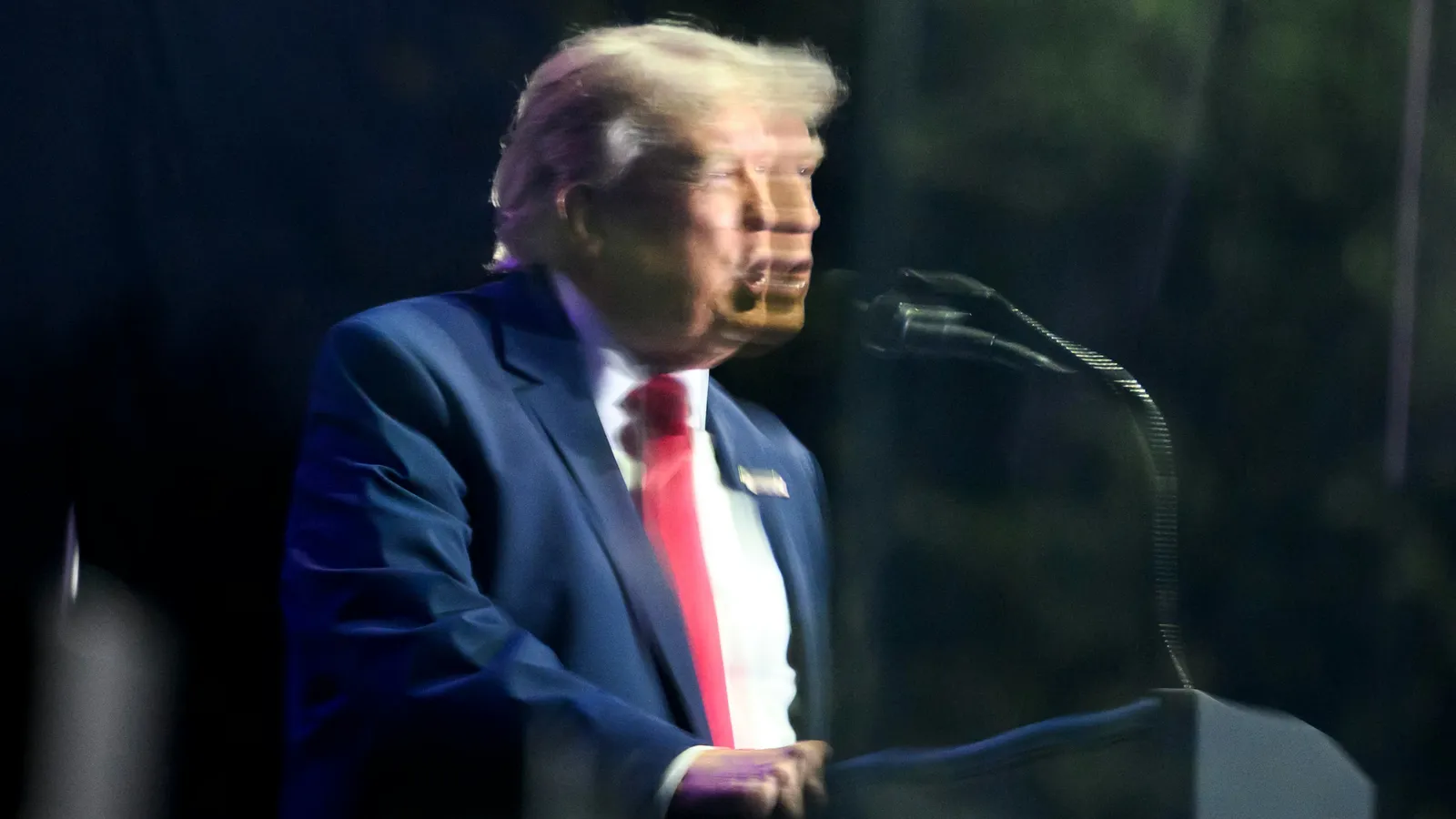
A war with Iran, plunging poll numbers, and a filibuster fight collide, exposing a GOP that is starting to defy him.
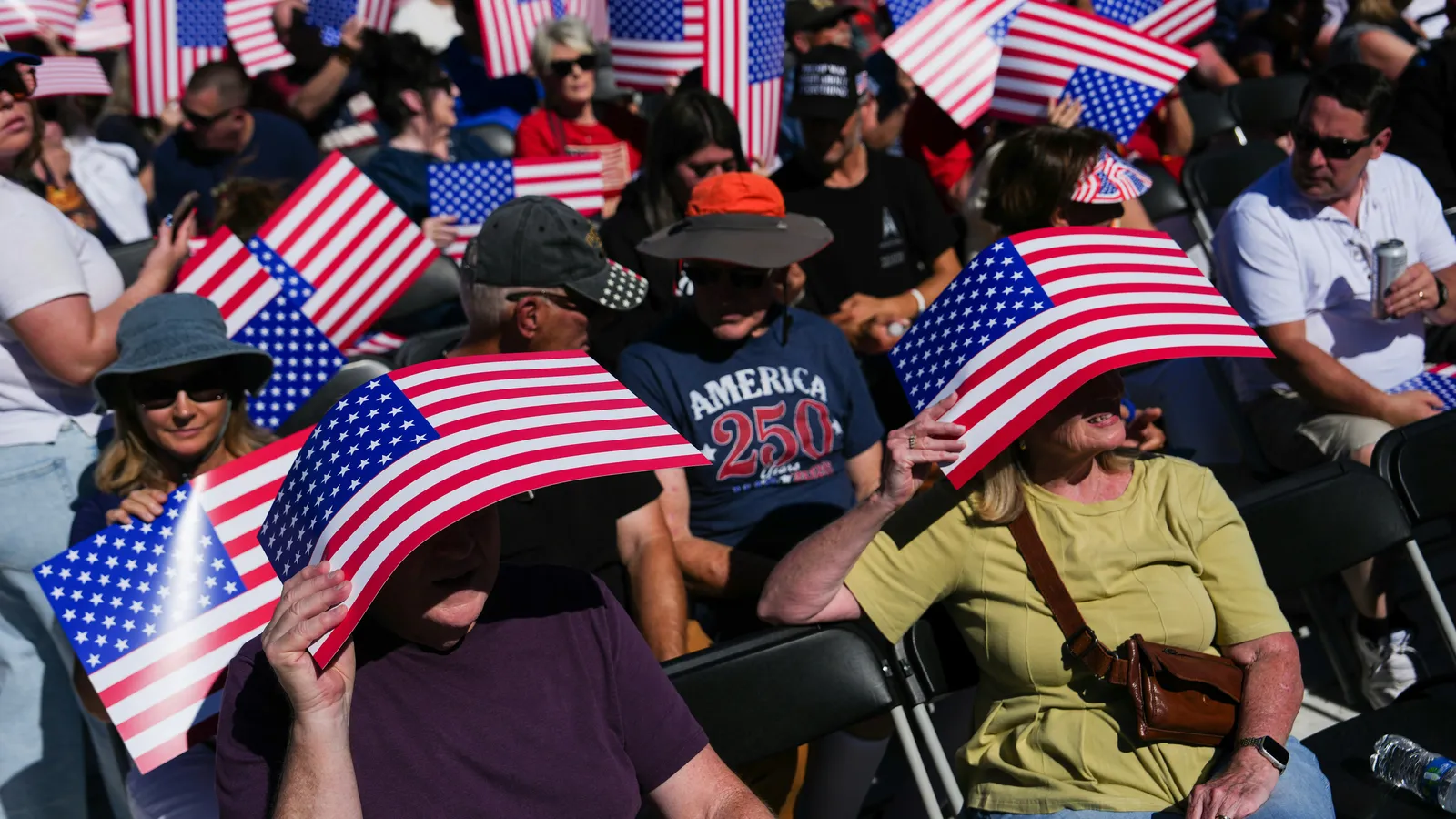
Even as artists pull back, approval worries and economic anxieties get overridden by spectacle, faith, and turnout.

A hidden gap in learning outcomes is forcing boards to rethink admissions, support, and accountability now.

Foreign Affairs argues Tehran still loses strategically, with second-order effects rippling through regional stability and Western policy.
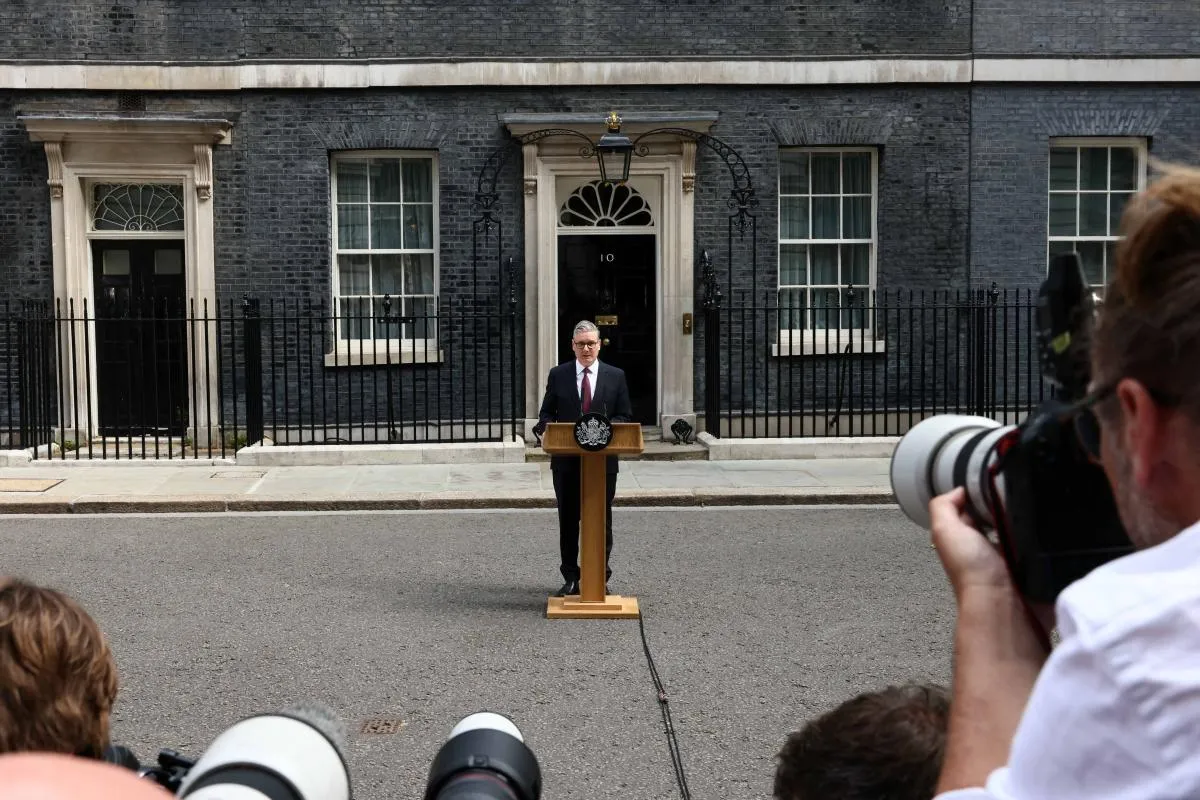
The policy reset does not erase the economic and regulatory bill. Decision-makers need to plan for the trade-offs now.
Conflict mediation is being reshaped by autocracies. The next deals may look different, with consequences decision-makers should expect.
Asian allies are converging on a blunt conclusion: only America can deter China, so they stay close to Washington.
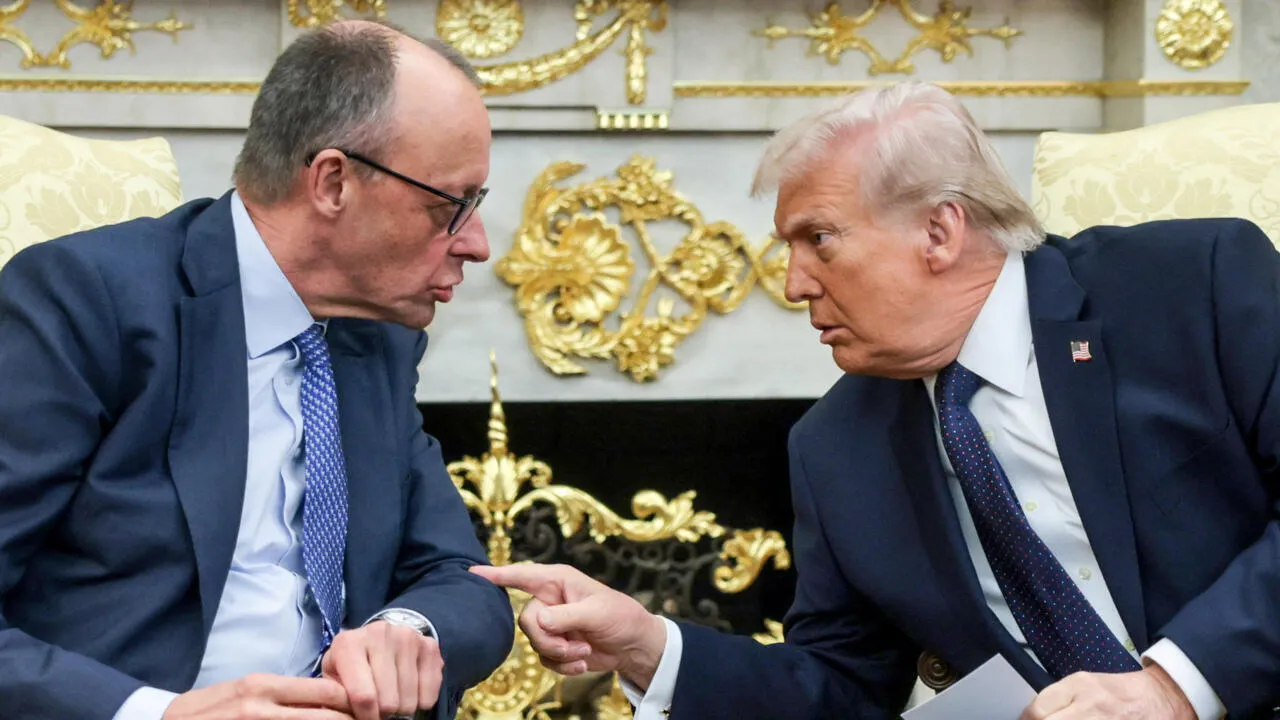
A NATO and Iran-row escalation could reshape deterrence, signaling, and allied obligations in Europe.